002JUL 202620 MIN
The Last Moats
SaaS sold interfaces, encoded expertise, and coordination overhead disguised as software. Agents make all three free. Which moats survive the great software repricing, and which businesses die with the rest?
Read
SaaS sold interfaces, encoded expertise, and coordination overhead disguised as software. Agents make all three free. Which moats survive the great software repricing, and which businesses die with the rest?
A map of ideas that come out of taking a step back and asking "what's possible", from shipping products to pure science fiction.
The next systemic AI failure won't be a hallucination - it'll be an authorisation failure. Whoever holds the control-and-provenance layer when it happens wins the market the incident creates.
Cairn, the memory tool my team and I use every day, now open source.
I wired 4,000+ coding sessions and meeting transcripts into a local search engine so my agents never start from zero.
A multi-agent web exploration system that uses Monte Carlo Tree Search and shared graph memory to autonomously discover, map, and document complex web applications.
What broke when we shipped voice agents to real users, and what we learned fixing it.
How reinforcement learning teaches AI to reason, align with human values, and improve continuously.
How we built a secrets pipeline with AWS Secrets Manager and Terraform that distributes credentials to ECS services, frontend apps, and local dev environments automatically.
Why 80% of AI projects fail and how to build knowledge systems that actually work.
We replaced our Loggly with OpenTelemetry sidecars on ECS Fargate so all our services ended up with one trace. Dual export to SigNoz and S3 for debugging and SOC 2 compliance.
Scaling from 2 to 6 developers broke our Git workflow. These patterns fixed it.
AI generated code has a 12% survival rate... Are we cooked or is this a new dev methodology?
Stop building bespoke connectors for every platform.
Most MCP implementations miss the entire point. By wrapping APIs instead of designing for intent you'll never build automation that actually works.
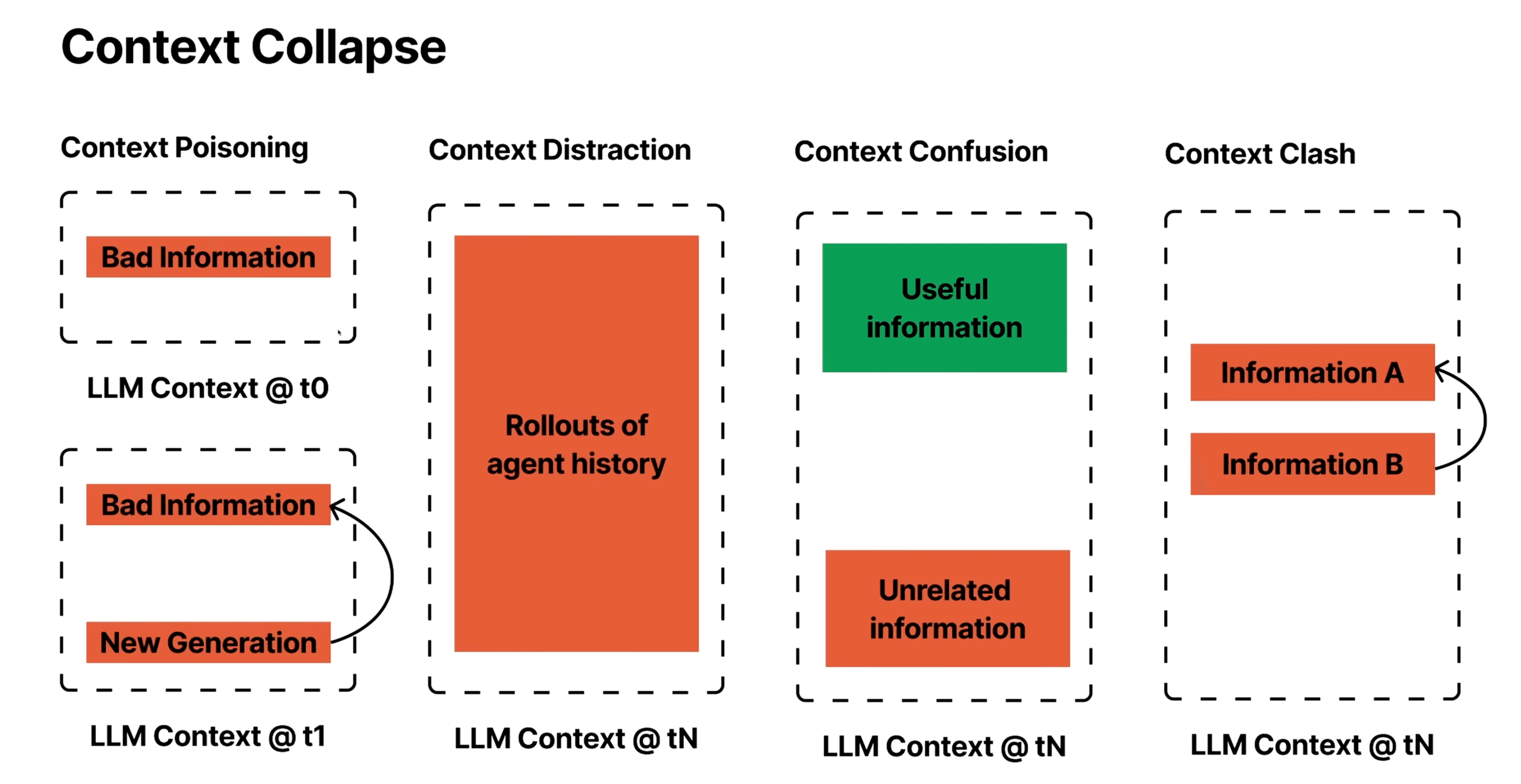
We are shifting from prompt engineering - crafting the perfect string - to Context Engineering: treating the information environment around language models as a proper engineering problem. This post is how to do exactly that.
Anyone can forge emails from your domain. Here's how to fix that with SPF, DKIM, and DMARC.
How we achieved 2x faster vector search with identical recall using Gemini embeddings, task-optimized retrieval, and pgvector's half-precision quantization.
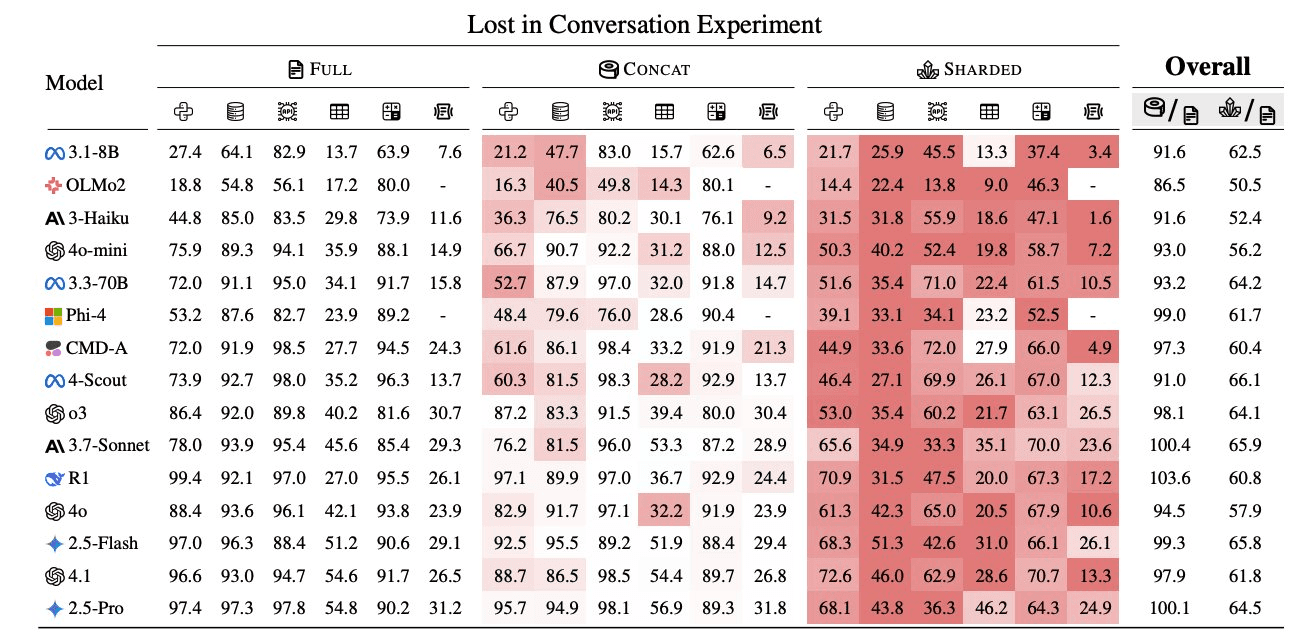
Every major LLM loses 39% of its performance in multi-turn conversation, so how do you build agents that are nothing but multi-turn conversation with tools?
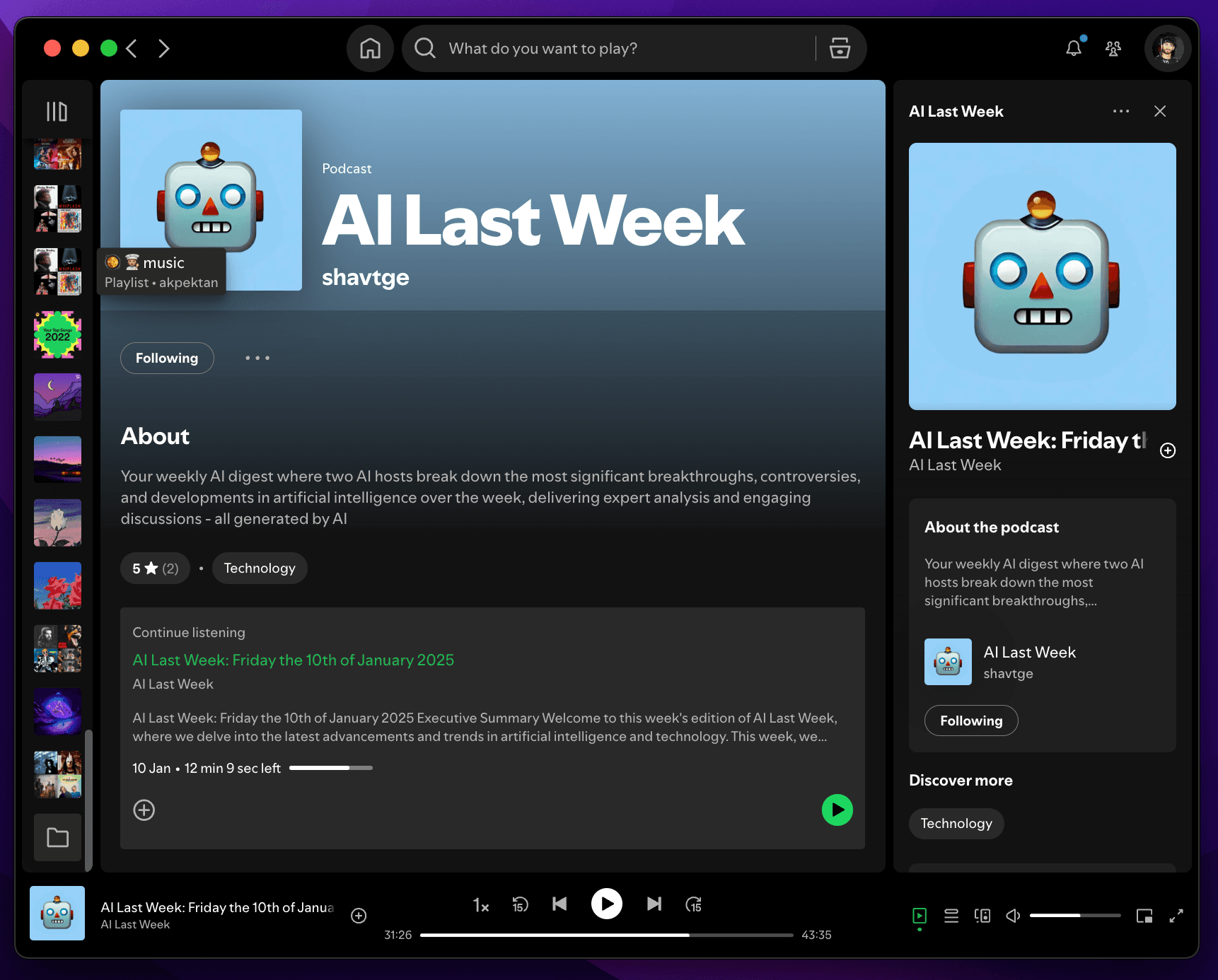
How I built an automated multi-agent system that transforms AI news into weekly podcasts, newsletters, and social media content using LangGraph, topic modeling, and TTS - all running autonomously on ECS.
A structured approach to working with Cursor AI that transforms frustration into productivity through proper workflow and context management.
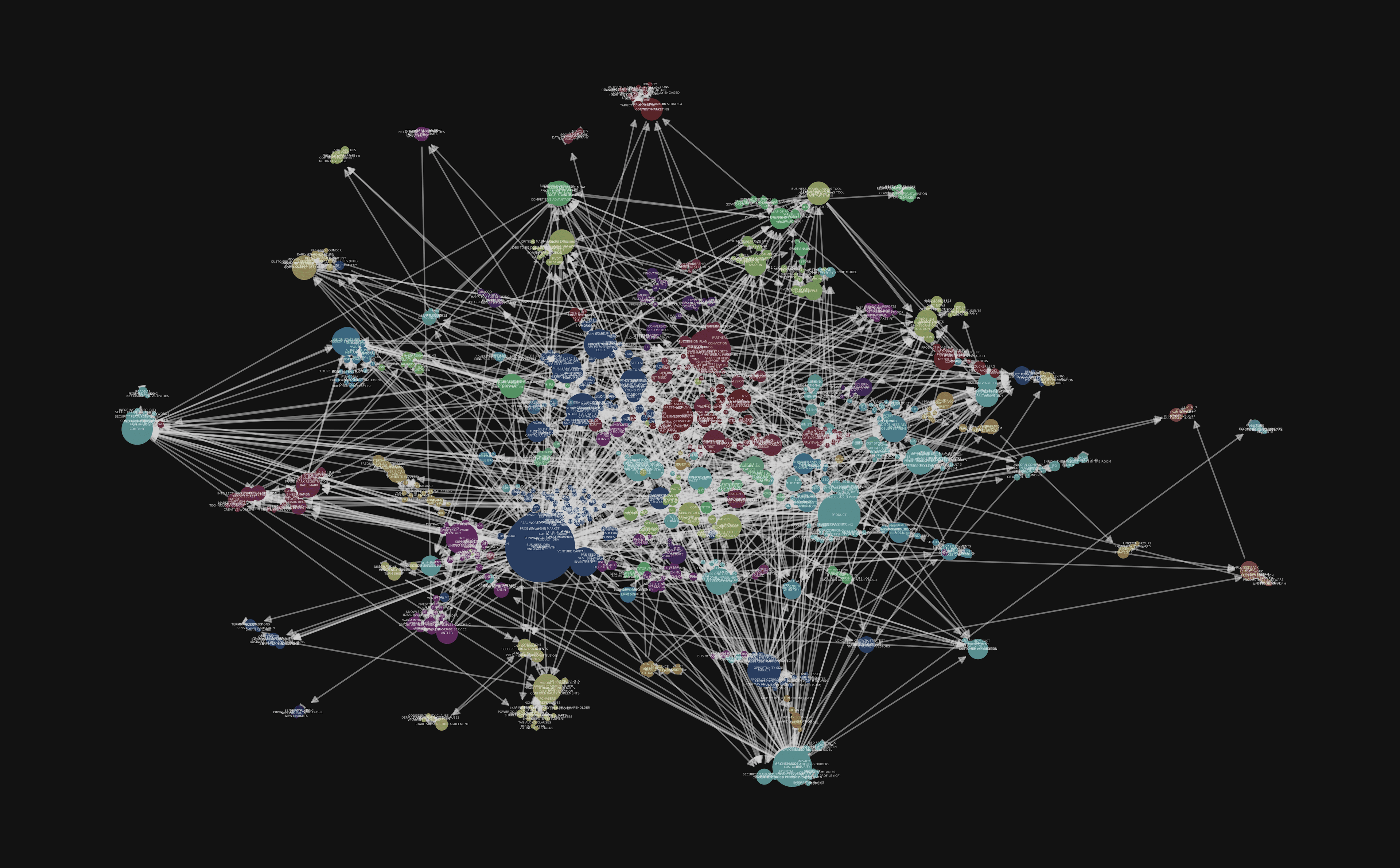
Traditional Vector based RAG has too many shortcomings. GraphRAG instead uses a Knowledge Graph for richly understanding text datasets, making RAG great again.
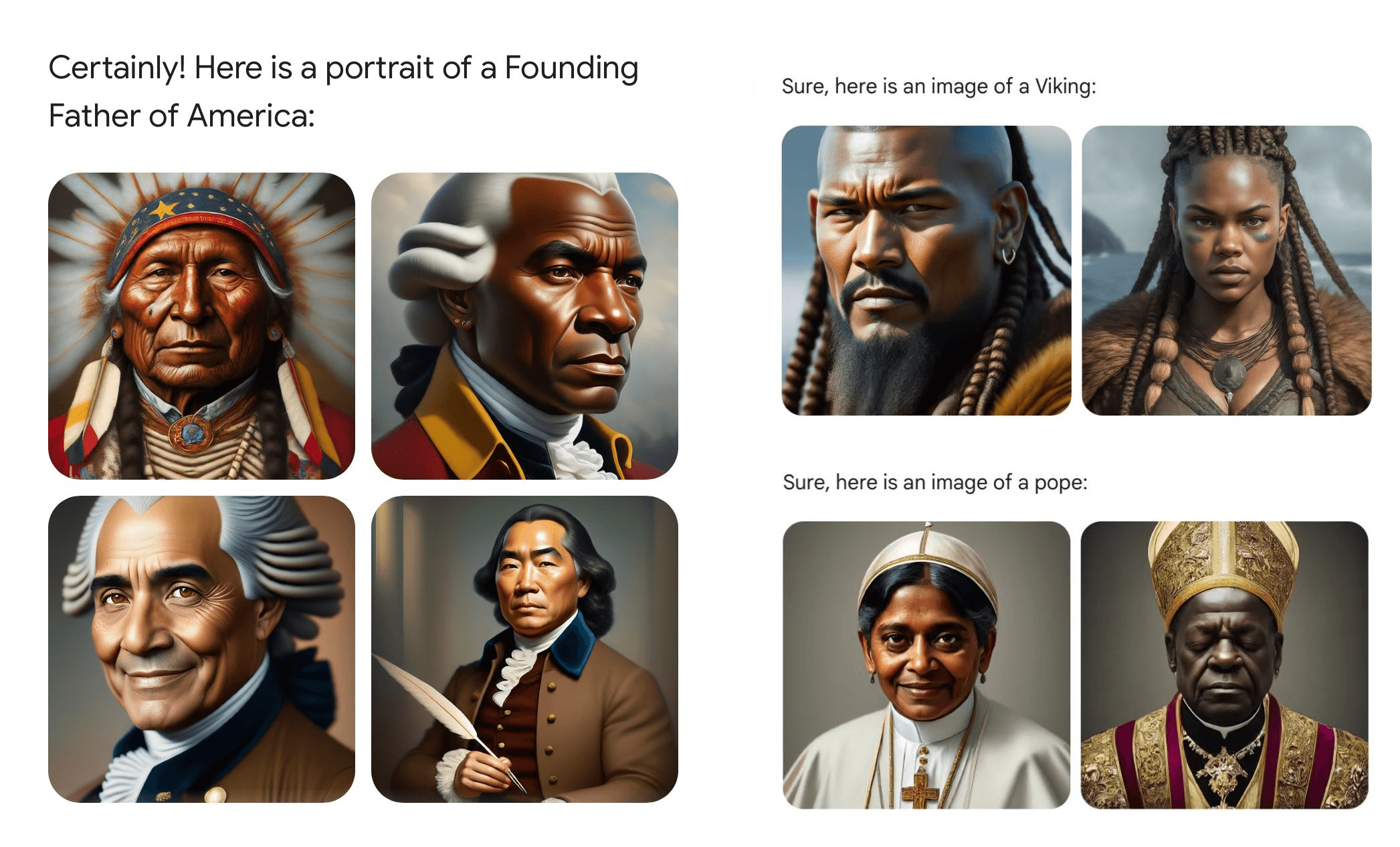
An experiment into cultural biases in LLMs using the Inglehart-Welzel Cultural Map method - revealing unexpected value alignment across both Western and Chinese LLMs
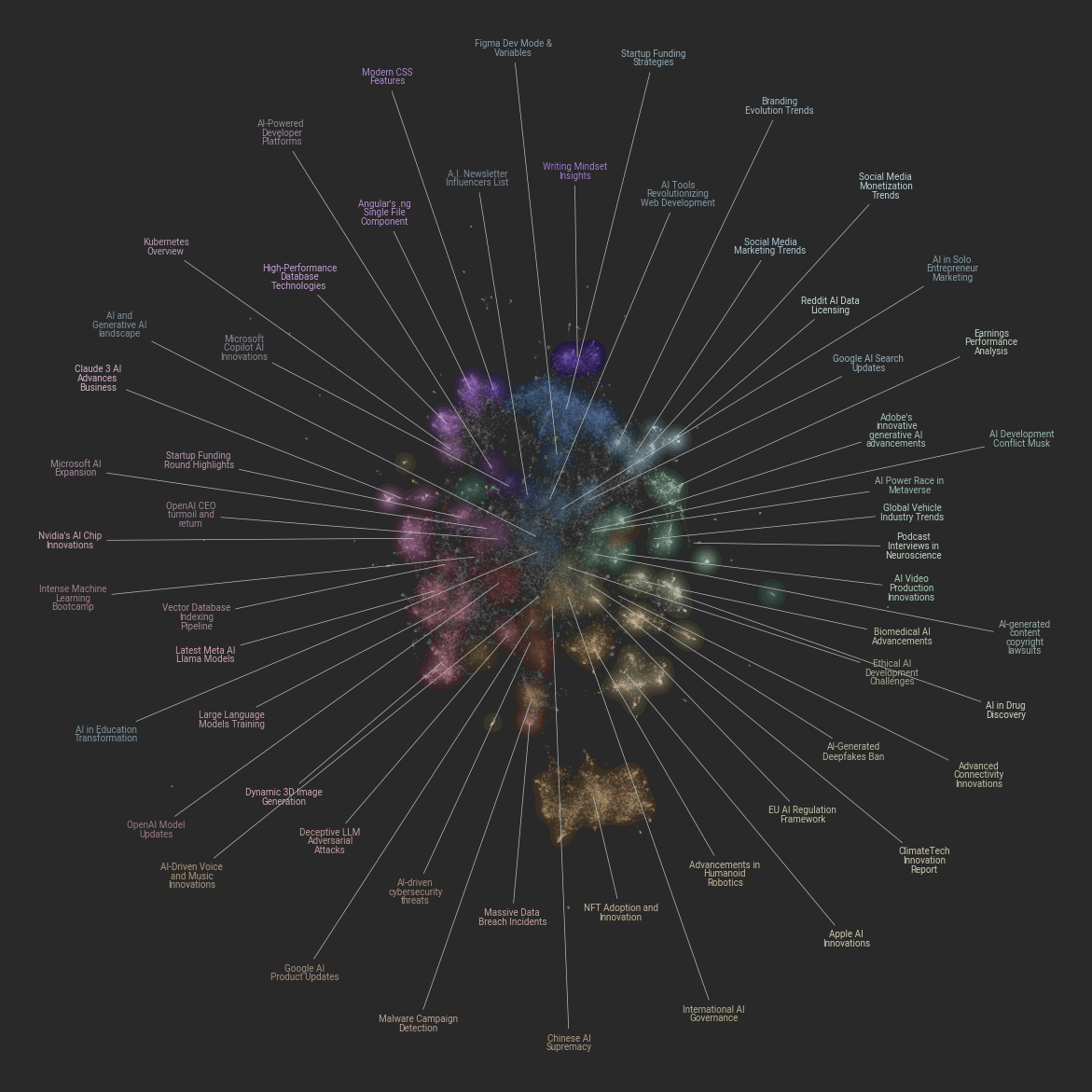
Tackling information overload by using topic modeling techniques to map out the AI landscape, helping us access valuable AI news and trends!
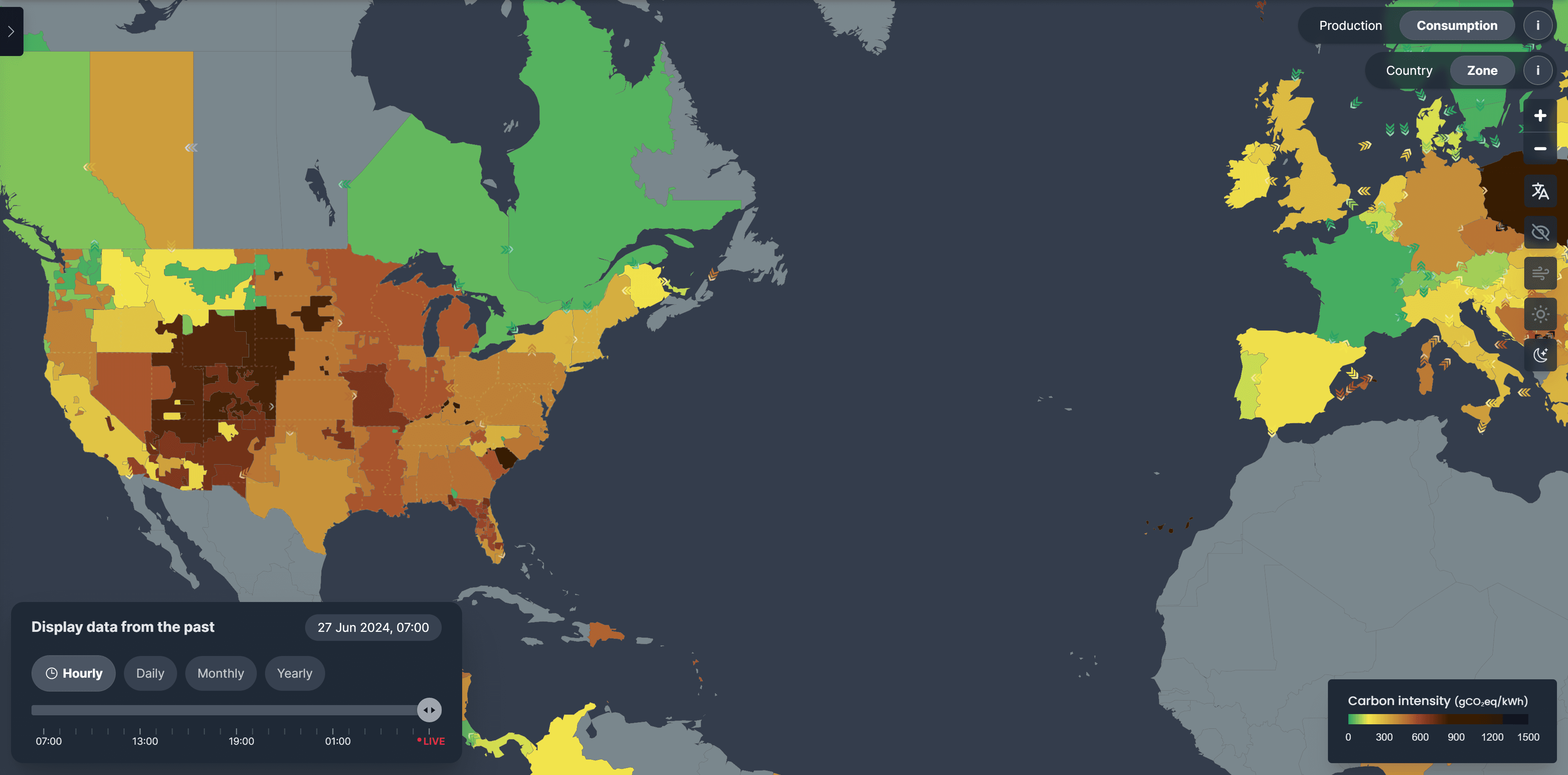
When selecting a cloud compute region for your ML workloads you will often need to account for latency, cost, services and features, compliance, etc. But in this article I explore how you can also consider your carbon footprint as part of your selection criteria.
Exploring defensive technologies to mitigate AI risks and ensure safe and secure advancements in the next decade.
As developers, we often just focus on the technical aspects of AI without ever considering the broader geopolitical implications. From Leopold Aschenbrenner's 'Situational Awareness', I summarise his insights on the rapid development of AI and the path to AGI & ASI, as well as the geopolitical and security challenges we face with AI.
Exploring how sparse autoencoders unlock interpretable features in language models to enhance AI safety and understanding.
I recently upgraded to Ubuntu 20.04 LTS, but my experience wasn't as smooth as I'd hoped. Here's why I decided to switch back to Windows and my setup process for an optimal development environment.
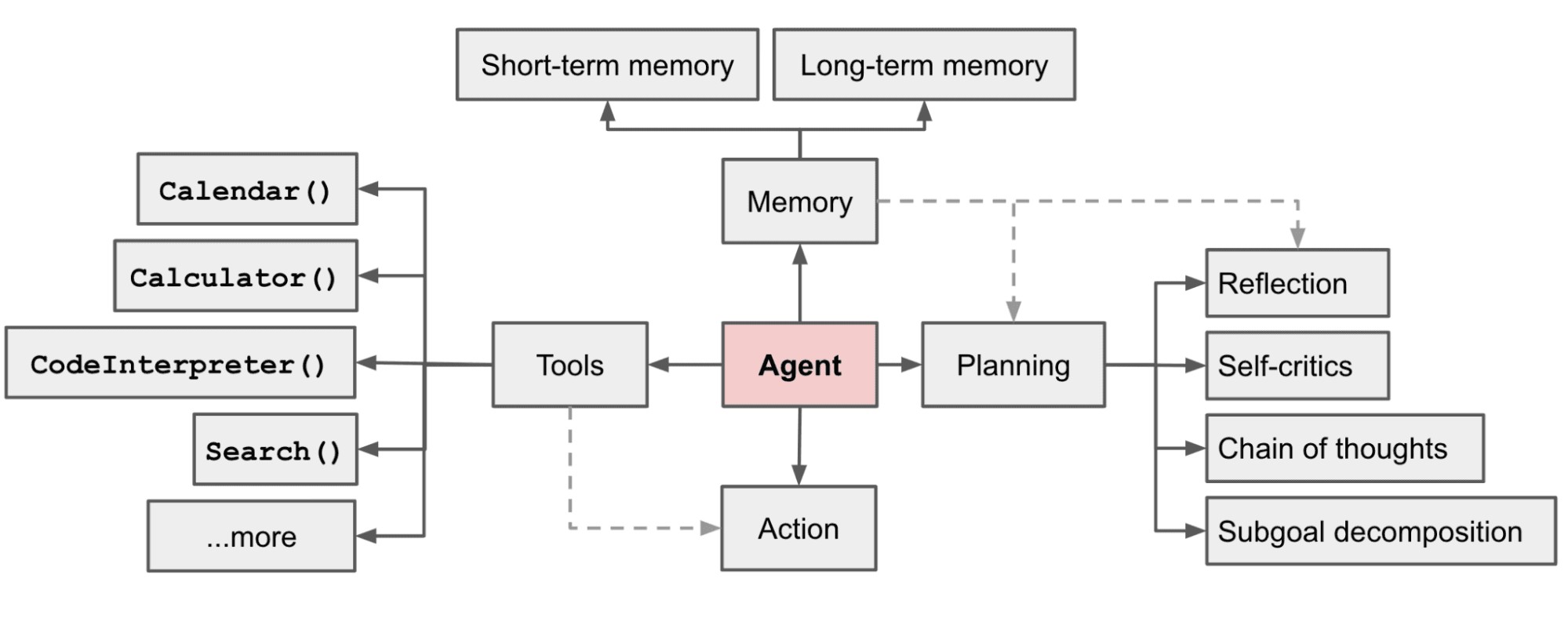
Exploring how collaborative autonomous agents improve complex problem-solving through behavior simulation, data construction, and enhanced performance.
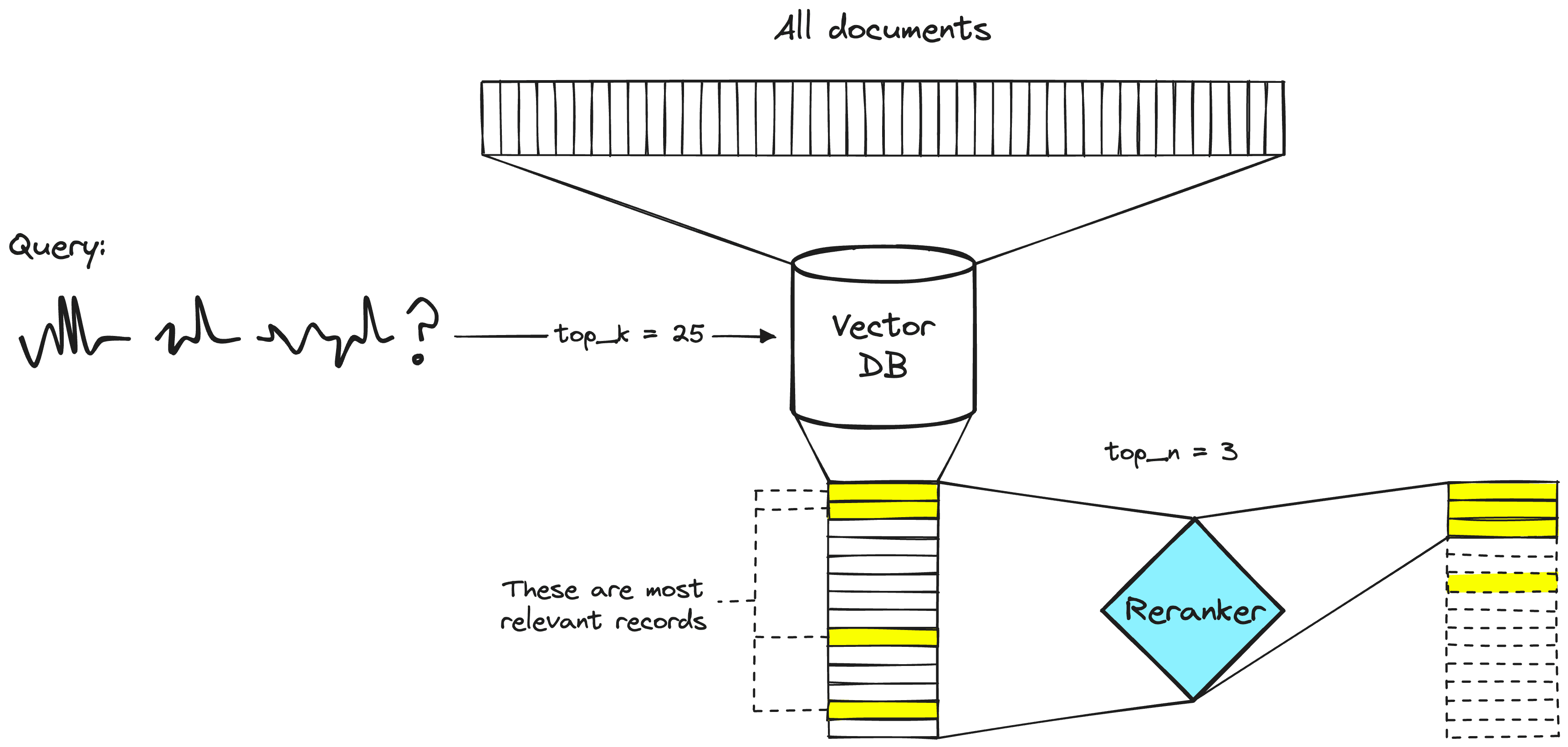
Explore how embedding models and vector databases can enhance retrieval systems in AI, with practical tips and insights for optimizing retrieval-augmented generation (RAG) systems.
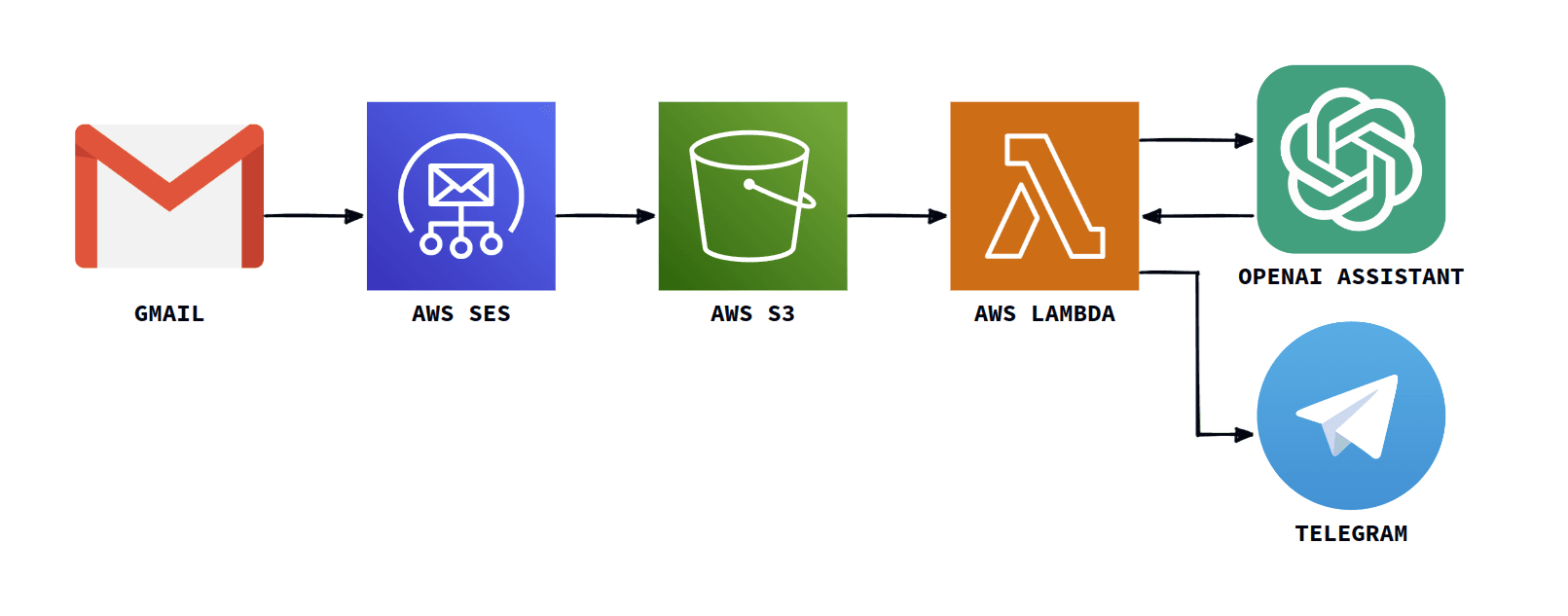
Create an automated system that transforms newsletters into AI-generated summaries using Zapier and Telegram, then rebuild it with AWS SES & Lambda for a serverless solution.
Deploy your own ChatGPT using Ray for distributed computing, AWS EKS for managed Kubernetes, and the power of scalable infrastructure for AI workloads. End-to-end walkthrough.
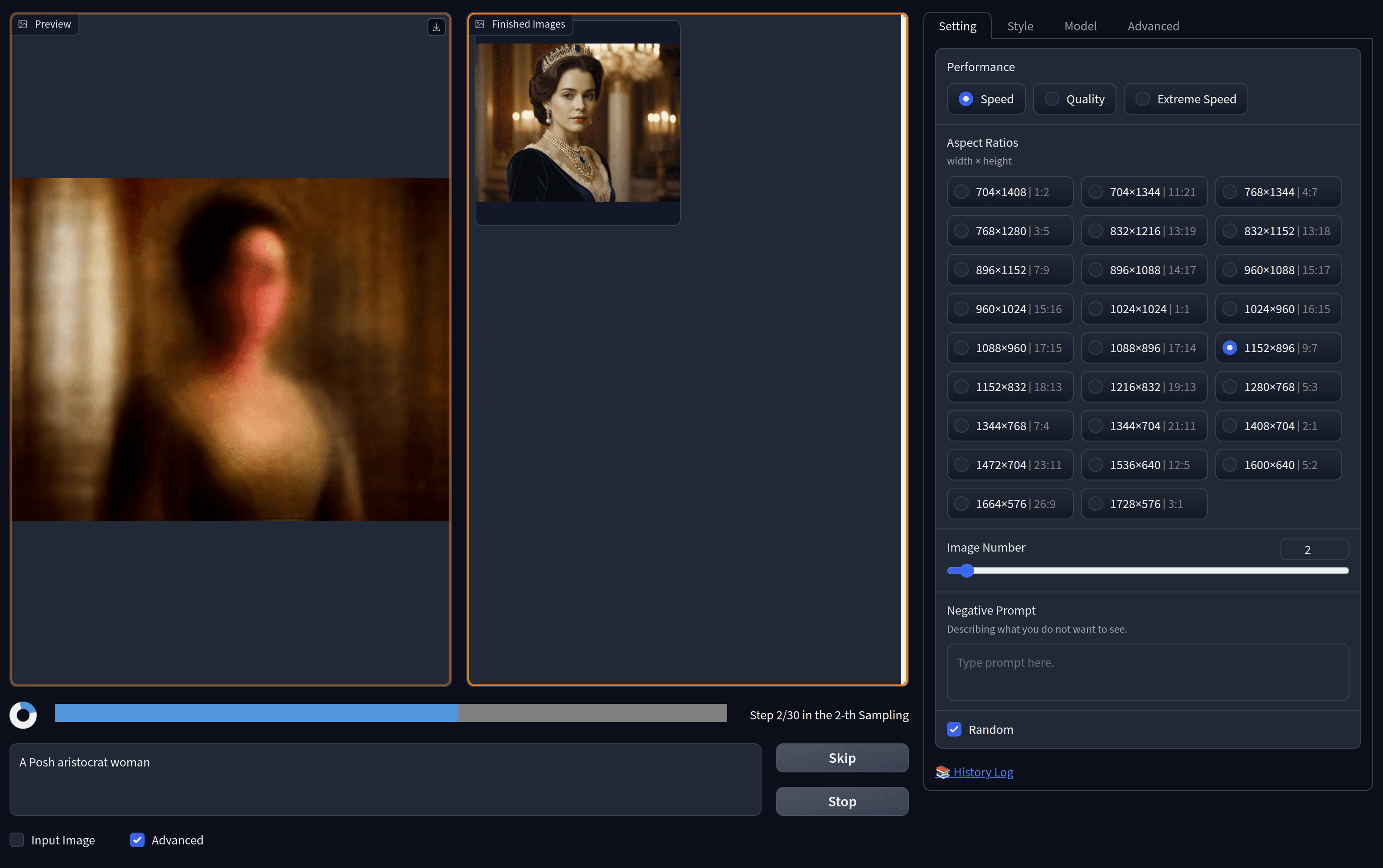
How to generate stunning AI images locally using Stable Diffusion XL and checkpoints like Juggernaut.
Complete guide to deploying distributed Python servers using Ray, Kubernetes, and AWS EKS with production-ready configurations.
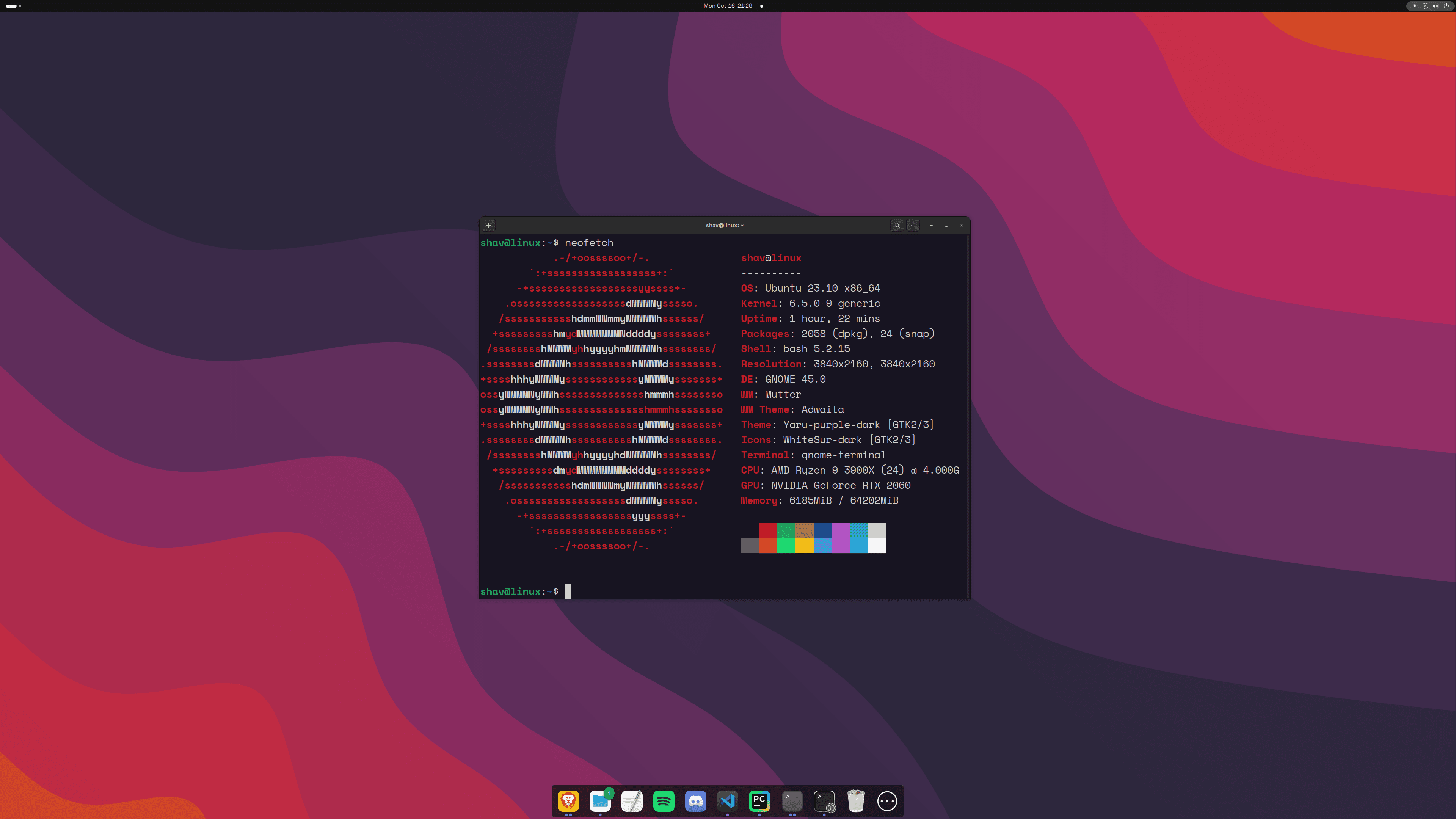
A comprehensive guide to switching from Windows to Linux for development, including setup procedures and essential tools.
Transform sequential Python option pricing code into a distributed application with minimal changes using Ray framework.
When developing applications that require high-concurrency, efficiency, and robust error-handling, the Async Worker Pool pattern in Python can be a valuable pattern.
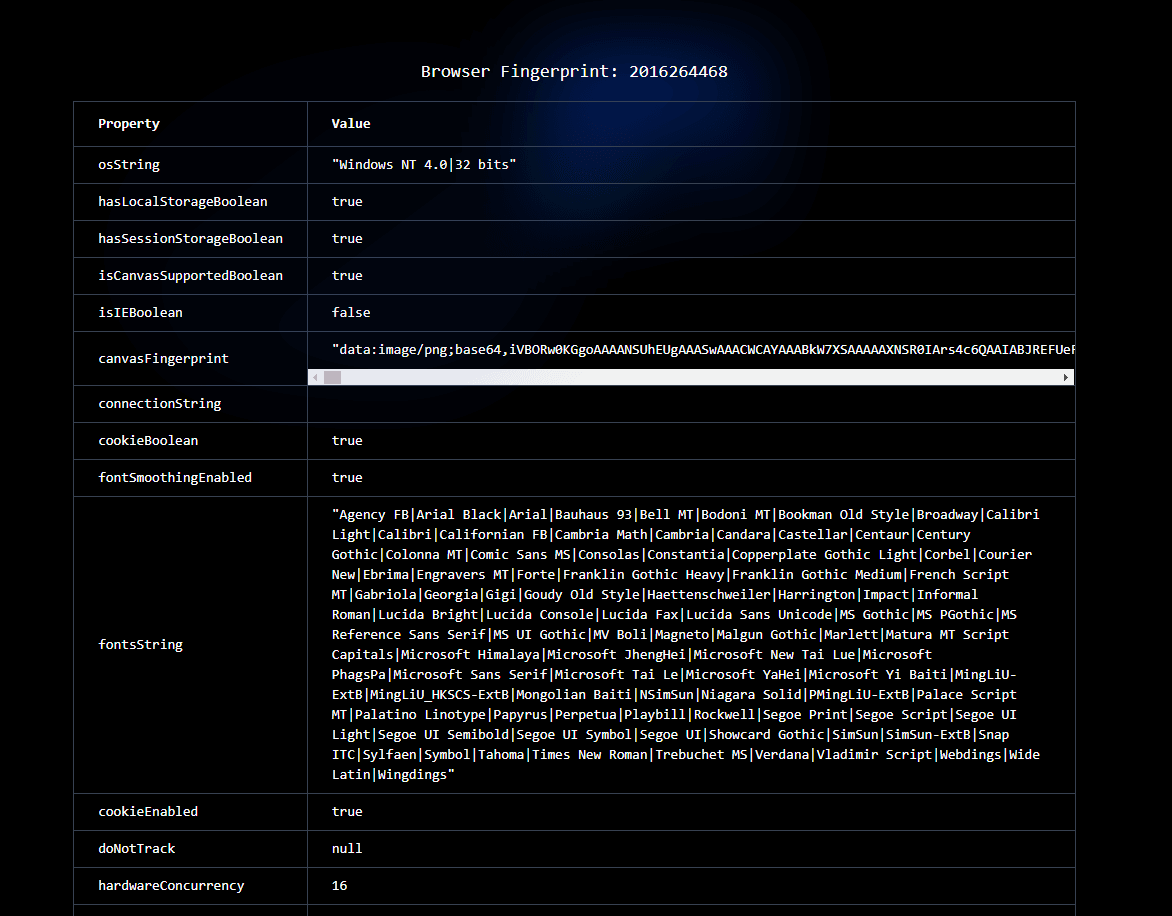
Browser fingerprinting with a zero-dependency NPM package that offers a swift, synchronous function for browser fingerprint computation without user permissions or cookies.
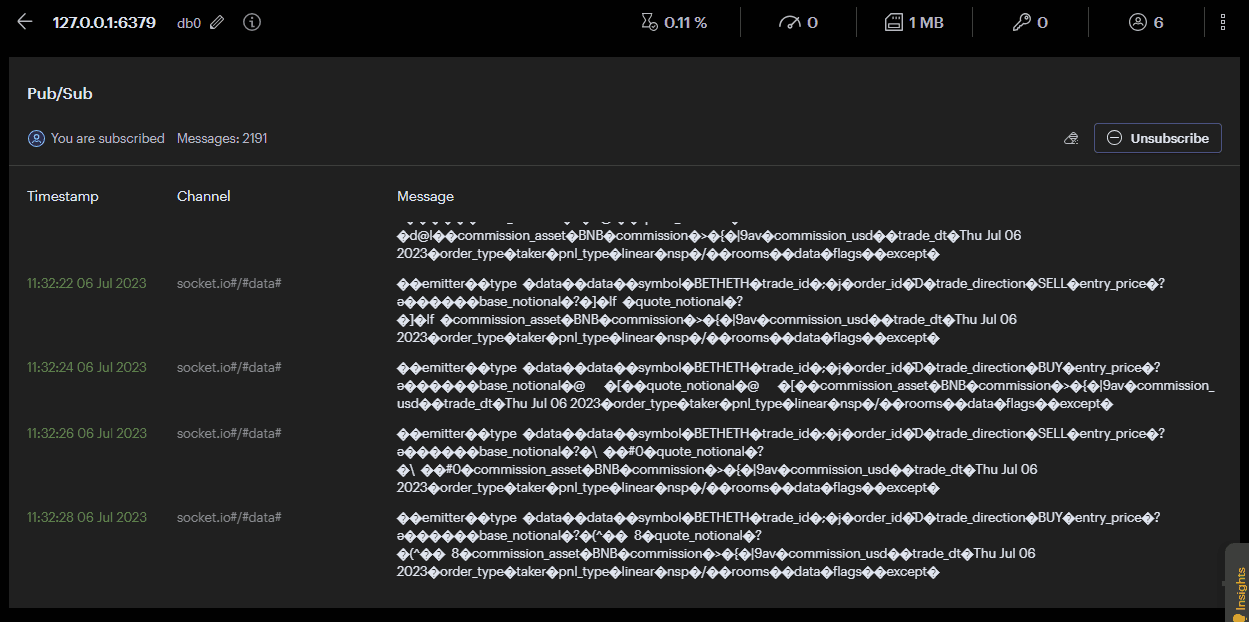
In this article, we explore the challenge of reading data from @socket.io/redis-emitter without a socket.io client and present a clean and effective solution by decoding using the notepack.io.
Integrating Socket.io with Redux through middleware for a robust and elegant solution for handling real-time communication in React.
Share TypeScript code between microservices using Git submodules, allowing for modular code management and easy updates.
Binary formats like Pickle and Parquet offer enhanced performance for both reading and compression compared to traditional CSV storage.
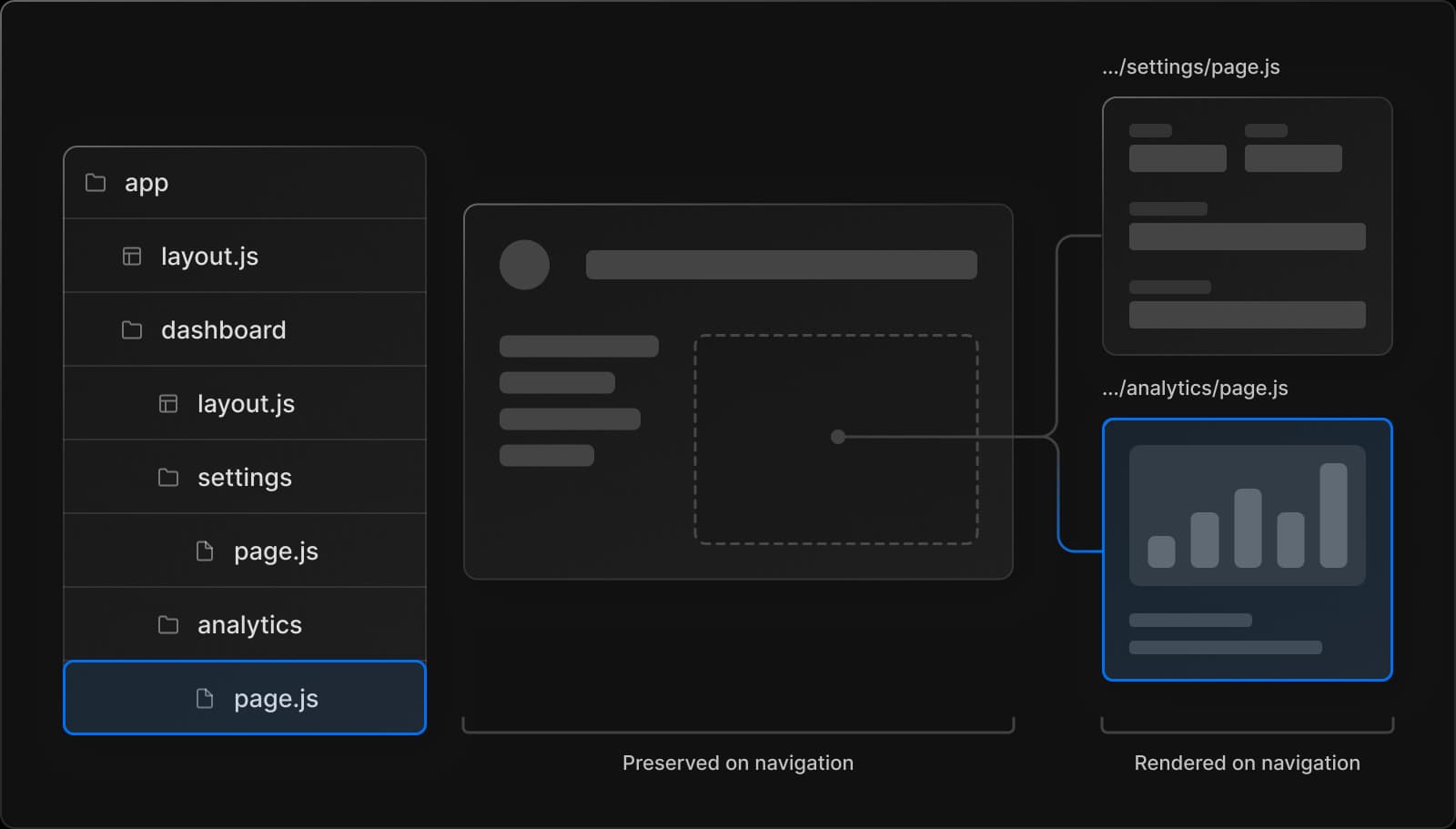
Making the switch from React to Next.js? This article explores how Next.js 13 revolutionizes the scene with upgraded development, performance, and user experience functionalities.
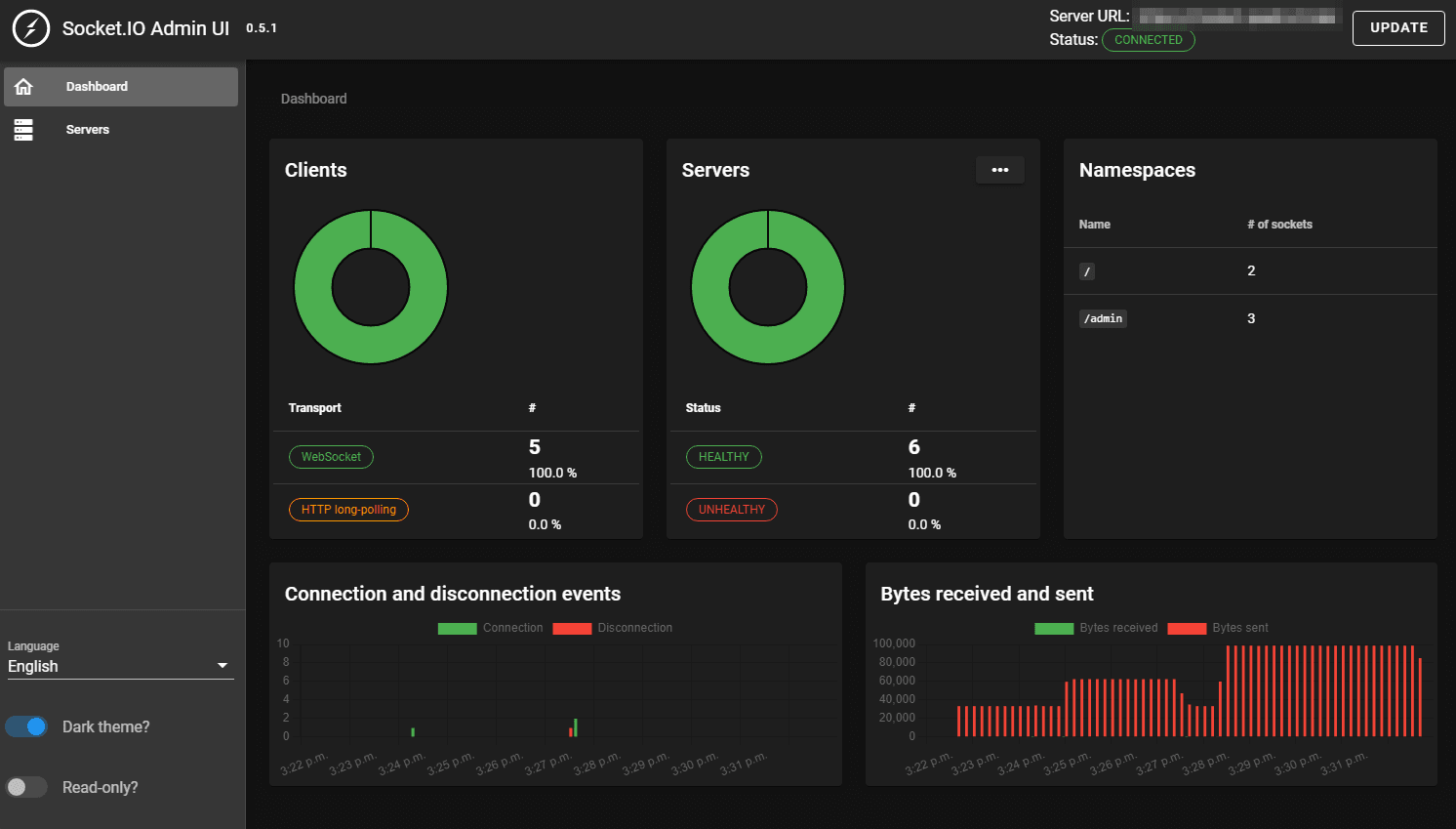
Explore the process of deploying and scaling a Socket.io server in Amazon Elastic Container Service (ECS) with Redis using Elasticache
Build secure two-factor authentication with time-based one-time passwords using PyOTP and integrate with Google Authenticator.
AWS Lambda deployments using pre-existing Lambda Layers as well as creating custom Lambda Layers from scratch using Flask as an example.
Complete guide to deploying TimeScaleDB locally with Docker passthrough mounts and on Amazon EC2 for scalable time-series data management.
A step-by-step guide to securely accessing AWS EC2 instances using PuTTY by converting .pem files to .ppk format.